
nyc

A Timeless Tool for Actors that’s Quietly Failing Them PostPandemic

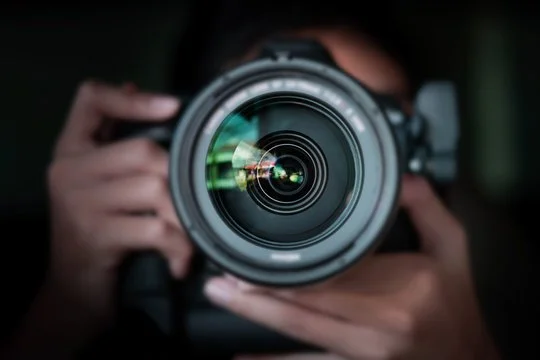
Headshots. We all know them (well—those of us who were living that prepandemic audition life). But in the postpandemic ecosystem, I’m seeing headshots either used incorrectly or treated like a side dish—while selftapes and reels have become the main course.

So, what’s a “proper” headshot? I’ll get there (promise). But first—context matters. I’m a multi-hyphenate creative with decades of professional performing experience: a BFA in Musical Theatre, a member of Actors’ Equity Association, and an Associate Member of the Stage Directors and Choreographers Society. After 15+ years onstage, I pivoted into visual arts—building a Brooklyn studio that supports artists through headshot and editorial photography (and yes, I’m a Professional Photographers of America member). In parallel, I’ve developed an indie driven award-winning cinematography career across narrative shorts, feature length docs, branded content, and festival recognized projects—some streaming via global distributors like HBO Max and Netflix. And because I’m apparently incapable of choosing one lane, I still hop back into theatre to collaborate and direct when the timing, project, and $ (unfortunately) make sense.

When I started shooting headshots, my goal was to fuse the parts of this industry I loved most: performance psychology, visual storytelling, and practical career strategy. I learned early (the hard way, like most entrepreneurs do) that usable marketing and clear positioning aren’t “extra”—they’re infrastructure. So yes, I bring a cinematic sensibility into the studio: intentional lighting, clean framing, and an aesthetic that feels like it belongs in the same universe as the work you want to book. But aesthetics are just the packaging. The real question is: is the image doing its job?

That job starts with the basics—does it look like you, on a normal day, without visual noise stealing focus from your eyes? Absolutely. But the higher-order function of a headshot is messaging. For me, the winning triad is: Confident, Grounded, and Engaging. Those aren’t just nice adjectives—they’re positioning signals.

Each “look” (the combo of wardrobe, environment, and lighting) should be engineered for a specific casting lane. One look might whisper HBO thriller; another might practically wink at a Netflix comedy. A headshot is the tool that works when you’re not in the room—it creates the micro-engagement that suggests, “I have a point of view,” or “I’m mid-thought,” which is exactly the kind of subtle, cerebral connection that helps decision makers imagine you inside the rehearsal process. And when there are five finalists sitting on a table and the team can only pick one? That subconscious nudge is very real, and the headshot is working for you when you are not even in the room!

These practices are standard among serious NYC headshot photographers. Where things get messy is how the pandemic—and the shift away from in-person auditions—recalibrated priorities. Here are three core dynamics I keep seeing:

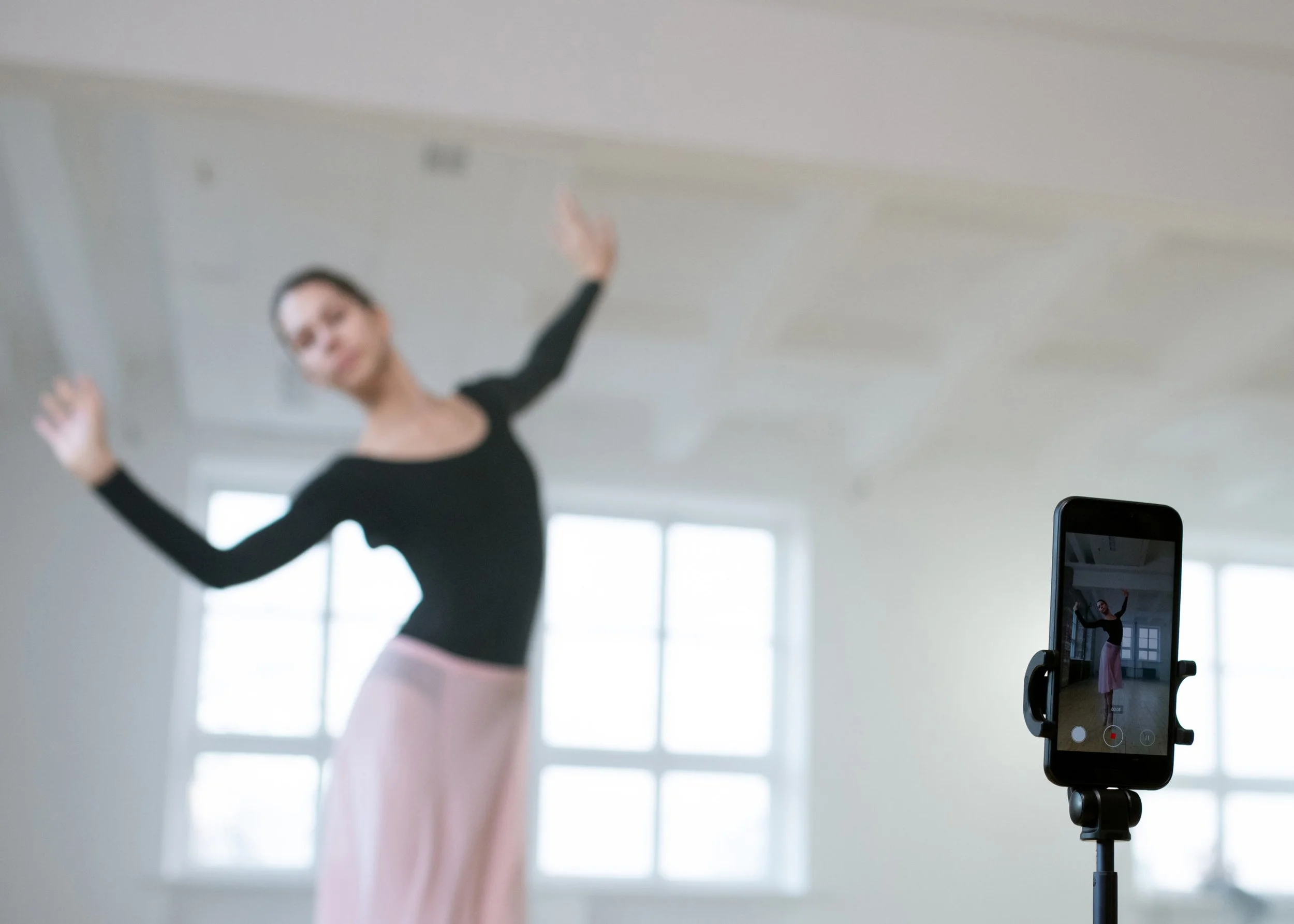
  • 1) Lack of in-person auditions + the selftape takeover: This created a weird cross-pollination of issues. Actors weren’t around each other enough to clock whether their shots were dated (or drifting off-trend), and they weren’t walking into rooms where someone behind the table might gently (or not-so-gently) ask, “Wait… when did you take this?” Meanwhile, self tapes became the first impression—often instead of the headshot—which pushed performers to invest in a whole at home capture workflow: lights, backdrops, mics, tripods, and more. Add the extra cost dancers face when renting studio space to tape musical theatre dance calls, and the price of “just auditioning” climbs fast. The tough part is that many self tapes likely aren’t viewed in full, so the ROI can feel brutal. And because the industry knows the burden is real, I’ve watched standards around headshots quietly soften into a “do what you can” mindset—letting details slide that would never have flown 10–15 years ago. And that fails them.
  • 2) Lack of education (aka: the headshot knowledge gap): I’ve witnessed a genuinely alarming drop in how training programs teach the function of a headshot. Over my shooting career I’ve visited 30+ colleges, universities, and conservatory programs to photograph students. Pre-pandemic, many came in with a plan: goals, strategies, and an understanding that a targeted headshot is a positioning tool—not just a nice picture. Post-pandemic, I’ve had students who didn’t know you put your name on a headshot… or that it gets printed… or why borders, orientation (vertical vs. horizontal), and crop discipline matter. When submissions live inside platforms like Actors Access, it’s easy for the headshot to devolve into “upload something and call it a day.”

    On top of that, fewer programs (often due to budget constraints) are bringing in vetted, working headshot photographers—or even providing students with a shortlist of reputable options to research. I once had a department head at a prominent NYC training program tell me I needed to drop my rates dramatically because “these kids nowadays will just go to the friend with a camera.” Sure, I know that’s happening (we’ll get there), but why isn’t the institution pushing back and teaching the value proposition? The industry seems to lean satisfied and avoid conflict as long as the box is checked. “You have a headshot.” But a box-checked headshot is not the same as a marketable one. And that fails them.

  • 3) Inexperienced photographers + trend-chasing aesthetics + social media gravity: During the pandemic, we saw a totally predictable influx of “kids with a camera”—artists who lost theatre/film work and needed revenue, fast. The setup is accessible now: an entry level mirrorless body, a couple of colored backdrops, and a soft box kit from Amazon—and suddenly you’ve got a living-room studio (sometimes technically outside what NYC zoning allows for commercial activity). Many of these folks priced aggressively, undercutting established rates, and a single overall “look” spread quickly because it was easy to replicate. And to be clear: I’m not mad at it. That’s how a lot of us started (me included—shoutout to my old DSLR era). The industry needs emerging photographers.
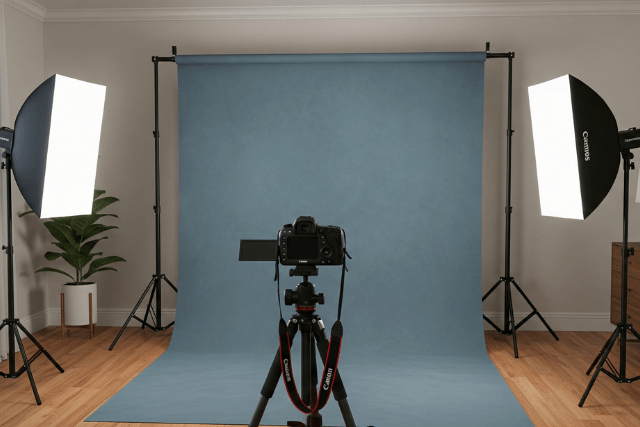
  • The issue is the downstream effect: a narrow set of angles/lighting/framing choices became dominant, which can flatten individuality and reduce headshots to a monotonous template. More importantly, many newer shooters (and sometimes clients) prioritize “beautification” over communication—the kind of engaged eye-line and intentional body language that actually evokes something for you. Add social media into the mix and you get a drift toward wider, more editorial portraits—hands, furniture, dramatic negative space—great for websites and feeds, but not always optimal for submission thumbnails, print, or famed Playbills once the image is cropped to the face. If the session investment is real (and it is), the ROI should be engineered around the actor’s message—not the elements creating “the shot.” And that fails them.

To wrap this up: I root hard for every one of my clients, and I genuinely root for my fellow headshot photographers and educators too. But if we want actors to thrive, we have to stop treating the headshot like a “good enough” or “cool photo” accessory. Background, wardrobe, and lighting style are important—but they’re secondary. The primary deliverable is a strategically positioned image that’s distraction free, casting legible, and unmistakably engaging—confident, grounded, cinematic, and like you’ve got something to say. Because you do.


ABOUT MATT
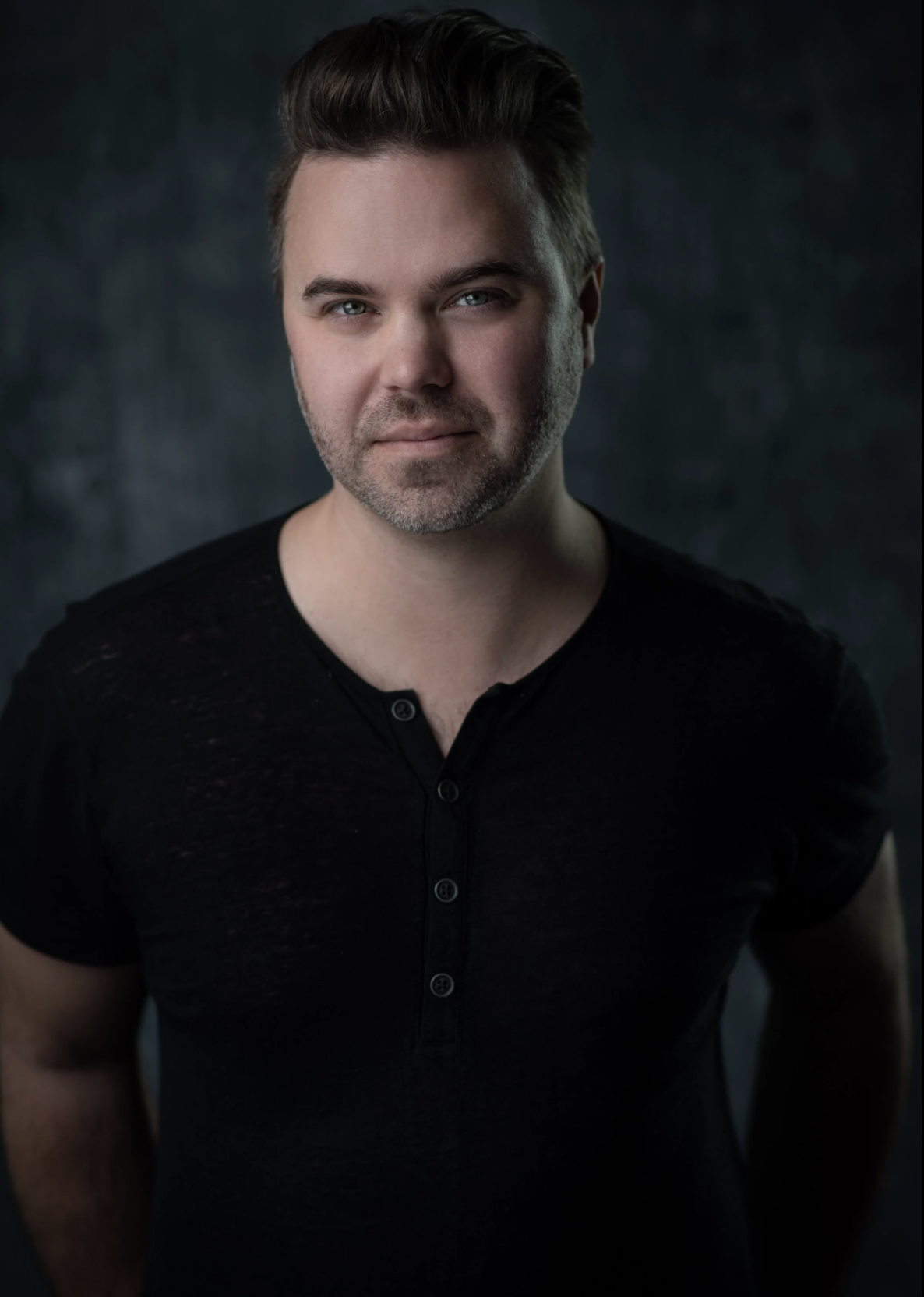
Like many, my love of photography began years ago as a creative outlet while performing. In-between shows, gigs, auditions and classes, I would experiment with different lenses, lighting and subjects. It wasn’t long before I discovered the power of a photo that truly captures people at their best while helping them in their own careers. My passion became a driving force and turned quickly into a successful business.   

As a NYC based headshot photographer, I have the great joy of getting to meet and collaborate with so many talented artists, and it’s one of my favorite aspects of my job. Coming from a professional performing background, I know how important marketing yourself wisely is, and how much of a difference it can make in your success. A good headshot not only makes you look great, but it captures who you really are and is ENGAGING! This is the moment that I strive to get out of my clients on every shoot.  My #1 goal is to discover the aspect of each person that makes Casting, Directors & Producers scream, “I want to get to know them!”

Beyond photography, I’m an award-winning Director of Photography, as well as an original co-founder of www.ontherocksfilms.com, where I currently serving as the Creative Director and resident Director of Photography.  Recently, I was honored with three Best Cinematography Awards for my work the feature length documentary, UPROOTED: The Journey of Jazz Dance (HBO Max), FREE (AMAZON PRIME) & the On The Rocks Films original short, DIVIDENDS.

I still remain active in the professional theatrical community as member of AEA and currently direct and choreograph for productions around the country. I look forward to meeting you and guiding you towards a personally unique and captivating image...while having a lot of fun in the process!


G&E In Motion does not necessarily agree with the opinions of our guest bloggers. That would be boring and counterproductive. We have simply found the author’s thoughts to be interesting, intelligent, unique, insightful, and/or important. We may not agree on the words but we surely agree on their right to express them and proudly present this platform as a means to do so.
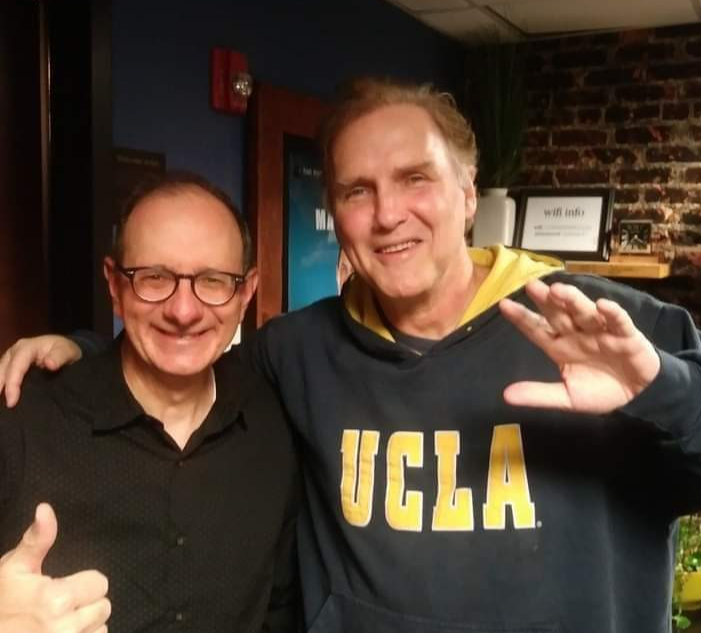
Remembering The Time I Opened For Norm Macdonald

As a stand-up comedian for over 25 years, I have been very fortunate to be an opening act for many A-list comedians: Louie Anderson, Rob Schneider, Caroline Rhea, Dennis Miller, Kevin Pollack and some great musical acts such as Dion and Micky Dolenz.

But nothing prepared me for getting a call from The Paramount in Huntington, a magnificent venue for music and comedy. They asked if I was available, on very short notice, to open for Norm Macdonald.

As a fan of comedians, Norm was in my top 5 of all-time. That list includes such giants such as George Carlin, Richard Pryor, Joan Rivers and Don Rickles. Norm had me from the first time I saw him on a show called A&E’s Evening at the Improv sometime in the early 80s. I had seen all of his movies (good and bad), watched his failed sitcoms, and, of course, followed his stand-up career.

I was beyond excited to meet and have the distinct pleasure to share the stage with one of my comedy heroes.

I arrived early in hopes to hang out with Norm in the green room. My plan did not disappoint. I got there and asked the gang of kids that worked there, “Where’s NORM?” They knew me since I had been fortunate to perform as an opener at The Paramount many times.

One of them said, “He’s in the green room. You can go in.”

I did.

Norm was relaxed on a couch and a nice-looking lady was there who introduced herself as his manager. I introduced myself as his opening act Stevie GB.

“Stevie GB? What kind of name is that?”

I immediately realized Norm is Norm off-stage and on-stage. Same cadence in his voice.

He asked, “Where you from? Around here?”

I said, “I live in Holbrook, it’s about a half hour east.”

“Oh, so you are from New York City?”

“No, that’s the other way”.

“I know, I’m just screwing with you.”

Although it was simply small talk, I felt I was in the presence of a true comedy icon. I always feel strange being around stars. It’s hard for me to realize they are just regular people. I don’t want to appear starstruck and go through the whole I’m a huge fan nonsense. I just hung by the door awkwardly. The woman was friendly and asked me the usual “how long have you been doing comedy” questions.

Suddenly, Norm looked at me and asked, “Do you have a toothpick?”

Of course I didn’t. Who carries toothpicks?

I ran out to the other room and shouted to one of the kids, “Norm needs a toothpick!”

One of them handed me a full box of toothpicks.

I ran back to the room and handed them to Norm. He opened the box and a bunch fell on the floor. I immediately went into my Rain Man impression, a bit I had done on stage for years but stopped doing because it felt a little old.

“52…yeah definitely 52 toothpicks.”

Norm laughed.

“I get it. Rain Man. That’s’ funny. Let’s see how close you were.” He actually counted the toothpicks.

“37. You were way off.”

Out of nowhere, Bill O’Reilly from FOX walked in the door. I try not to be political on stage and I am not a huge fan of the guy but it was still interesting to see him just show up. I shook his hand and told him I was Norm’s opener. He didn’t seem impressed. Norm and Bill seemed to know each other quite well. I didn’t want to feel any more awkward so I started to leave.

Norm said, “HEY, have a great set.”

I asked, “How do you want me to introduce you?”

He answered, “I think they know me. My name is on the ticket so say whatever you want.”

My opening 15 minutes went well. I felt comfortable and enjoyed the audience response.

It was time to introduce Norm. I just said, “You know him, you love him; here is Norm Macdonald!”

I looked over to the side of the stage to see Norm crouched down tying his shoes.

I ran over and said, “Norm, I just introduced you.”

“I know. I gotta tie my shoes.”

Finally, Norm hit the stage for an hour of rip-roaring comedy. He was brilliant, dark, and most of all

NORM.

His set ended and he saw me in the wings. Normally, the show ends and I walk back to the green room and get ready to go.

Norm said to me, “Go out and take a bow.”

“Really?”

“Yeah. I’ll go out with you.”

He did.

We walked out together and he went to the mic and said, “Let’s hear it one more time for Stevie GB. He lives New York City I think. I don’t know.”

In all my opportunities opening for big name performers, not once did any of them acknowledge me at the end of the show. I was merely the opening act that most people in the audience probably forgot about by the end of the show.

What Norm did meant a lot to me and still does to this day.

When I heard that he passed away less than a year later, it was a very upsetting day. I still miss him.


Stevie GB

is an award-winning comedian, actor, and playwright. Known as the world’s funniest accountant, Stevie has performed at Westbury Music Fair opening for Dion, and at the Paramount in Huntington opening for comedy giants like Dennis Miller, Louie Anderson, Rob Schneider, Norm Macdonald and many more. He has written and performed three one-man shows, 12 One-Act plays and a full length musical that appeared Off-Broadway. He has also performed as Groucho Marx to critical acclaim in Newsday. Featured on Amazon Prime and on News 12.


G&E In Motion does not necessarily agree with the opinions of our guest bloggers. That would be boring and counterproductive. We have simply found the author’s thoughts to be interesting, intelligent, unique, insightful, and/or important. We may not agree on the words but we surely agree on their right to express them and proudly present this platform as a means to do so.

A Dancer in Quarantine 💃

0-4.jpg

Rochelle Martin-Vecchio

A New York-based dancer and choreographer

I entered 2020 having a 7-month-old baby boy, a husband, bills to pay, and a busy teaching schedule. I was choreographing a show that opened in February (while also performing in and costuming that show), rehearsing and performing with Peconic Ballet Foundation, planning a Dance Parade event for Third Street Music Settlement, getting other students ready for competition at the Broadway Dance Academy, and finally I was set to choreograph Long Island University’s Choreography Showcase. I thought it a well-balanced diet for an artist.

Fast Forward to May; I now have an 11-month-old who doesn’t stop moving (have no idea where he gets that from), but the rest of New York is on PAUSE.

Deep Breath. 

We can’t stop ourselves from reading social media all the time. We see artists, peers, and mentors express their thoughts openly. 

Well, here are my thoughts. It’s time to innovate. As role models, we tell our students to rise to the occasion, and to work hard to achieve your goals. Fight!  We can’t be in the classroom teaching or in the theatre performing but that doesn’t mean we are restricted. At times like these, I think back to choreography class at Long Island University where we read Twyla Tharp’s The Creative Habit. Tharp states, “Creativeness is not a gift from God.” She goes on, “In order to be creative we have to prepare to be creative.” So why are so many creators viewing this situation as artistically negative? Let’s be innovative and prepare to get those creative juices flowing.

I wake up every day exhausted. Fun fact: babies between 9 and 10 months old go through sleep regression. No, he doesn't sleep through the night. Since 4 months, my little man has slept through the night but he has now taken back that luxury. I try to keep my routine the same but it’s very hard with a growing baby. It’s his world, I'm just living in it. Diaper change. I get ready every morning. A ballet teacher once told me, “You're never fully dressed without some mascara and lipstick.” I do my hair and put on my make-up and get in my workout/dance clothes while chasing the energizer bunny along with his partner in crime (a sixty-five pound dog). Diaper change. It makes me feel good- alive, and motivated. I work out and get those endorphins going. I watch my son discover new things every day. I realize that, as babies, we never stop learning. So why do we dismiss this as we get older? We should never stop learning.

ZOOMDANCE.jpg

Diaper change/lunch time.  While my son naps, I watch videos via Instagram and Facebook that show artists rising to the occasion, disallowing the coronavirus to defeat us. I talk to other artists to see how they are overcoming this obstacle. I brainstorm during what we adults call meetings.  

I teach my ballet classes on Zoom. My students are a constant reminder and inspiration for me to keep inspiring, pushing forward, and rising to the challenge. I am so thankful.

By the time I'm in the midst of teaching, my son gets bored hearing me repeat, “Core. Knees over toes. Posture. Long neck. Stretch your feet. Aghhhh! Arms! Arms! Arms!” My husband comes home from work and rescues my son from hearing me yell, “It ain't Christmas! Don’t let me see Santa’s belly, and demi plie! CORE!”

I recently read a post on social media about World War II. It showed a picture of Ballet dancers still rehearsing and practicing their craft during those war-torn times. Okay, we might not be in a World War right now, but we are nevertheless in a war against a virus. People are still on the front lines, people are grieving, and people are going through hardships. In a way, it’s not that big of a difference. They made it work. They made it work without Facebook, Instagram, and Tiktok.

WW2 Dancer.png

At night, I enjoy the family time I have with my husband, son, and dog, and the memories we’re creating, memories that would not have been created if the world were still going on as usual. I have the chance to cook dinner and eat with my family, which, as any artist knows, doesn't happen all the time.  These are memories that I will cherish and not take for granted, just like all the times I stepped onto a stage and thanked the audience for my life. These are memories that I’ll be able to talk to the next generation about: “What do you mean, you CAN’T? When I couldn’t teach from the studio or theatre, I did it via the Internet! Don’t make an excuse to escape, pave the path to create.” When I say this I can’t help but think of my grandfather’s generation, born in the 1920’s, who told us how they walked uphill both ways to get to school.

Lastly, I hope this experience humbles people. Let them appreciate the time spent in the studio prepping for the stage.

Let it allow every artist to enjoy the process and the journey, not the destination. I hope it allows them to dig back to their roots, create, and develop into better artists.

I hope it opens people's eyes to how strong a group, a team, a family, or a community can be, and how they can become bigger and stronger. I hope that, once this storm passes, the world sees a beautiful renaissance in the arts.

With Grace and Patience,

Rochelle


Rochelle Martin-Vecchio trained at the Joffrey Ballet School, Alvin Ailey American Dance Theatre, and she also privately trained with Trutti Gasparinetti. She has had the pleasure to perform at The West Point Military Academy and in the debut of Dear Nadezhda by Venti Petrov in New York City. She has danced principal roles and has had work created on her. She had the honor of performing Cara Gargano’s “Mahler Pas de deux" in Manhattan at Symphony Space. She taught the Ballet and Contemporary classes from 2016 to 2019 at Tilles Dance Conference.  Rochelle teaches ballet and choreographs for the Students Honor Institute at LIU Post since it begun in 2016. She currently teaches from the Hamptons to Manhattan. 

G&E In Motion does not necessarily agree with the opinions of our guest bloggers. That would be boring and counterproductive. We have simply found the author’s thoughts to be interesting, intelligent, unique, insightful, and/or important. We may not agree on the words but we surely agree on their right to express them and proudly present this platform as a means to do so.