
Headshots. We all know them (well—those of us who were living that prepandemic audition life). But in the postpandemic ecosystem, I’m seeing headshots either used incorrectly or treated like a side dish—while selftapes and reels have become the main course.
So, what’s a “proper” headshot? I’ll get there (promise). But first—context matters. I’m a multi-hyphenate creative with decades of professional performing experience: a BFA in Musical Theatre, a member of Actors’ Equity Association, and an Associate Member of the Stage Directors and Choreographers Society. After 15+ years onstage, I pivoted into visual arts—building a Brooklyn studio that supports artists through headshot and editorial photography (and yes, I’m a Professional Photographers of America member). In parallel, I’ve developed an indie driven award-winning cinematography career across narrative shorts, feature length docs, branded content, and festival recognized projects—some streaming via global distributors like HBO Max and Netflix. And because I’m apparently incapable of choosing one lane, I still hop back into theatre to collaborate and direct when the timing, project, and $ (unfortunately) make sense.
When I started shooting headshots, my goal was to fuse the parts of this industry I loved most: performance psychology, visual storytelling, and practical career strategy. I learned early (the hard way, like most entrepreneurs do) that usable marketing and clear positioning aren’t “extra”—they’re infrastructure. So yes, I bring a cinematic sensibility into the studio: intentional lighting, clean framing, and an aesthetic that feels like it belongs in the same universe as the work you want to book. But aesthetics are just the packaging. The real question is: is the image doing its job?
That job starts with the basics—does it look like you, on a normal day, without visual noise stealing focus from your eyes? Absolutely. But the higher-order function of a headshot is messaging. For me, the winning triad is: Confident, Grounded, and Engaging. Those aren’t just nice adjectives—they’re positioning signals.
Each “look” (the combo of wardrobe, environment, and lighting) should be engineered for a specific casting lane. One look might whisper HBO thriller; another might practically wink at a Netflix comedy. A headshot is the tool that works when you’re not in the room—it creates the micro-engagement that suggests, “I have a point of view,” or “I’m mid-thought,” which is exactly the kind of subtle, cerebral connection that helps decision makers imagine you inside the rehearsal process. And when there are five finalists sitting on a table and the team can only pick one? That subconscious nudge is very real, and the headshot is working for you when you are not even in the room!
These practices are standard among serious NYC headshot photographers. Where things get messy is how the pandemic—and the shift away from in-person auditions—recalibrated priorities. Here are three core dynamics I keep seeing:
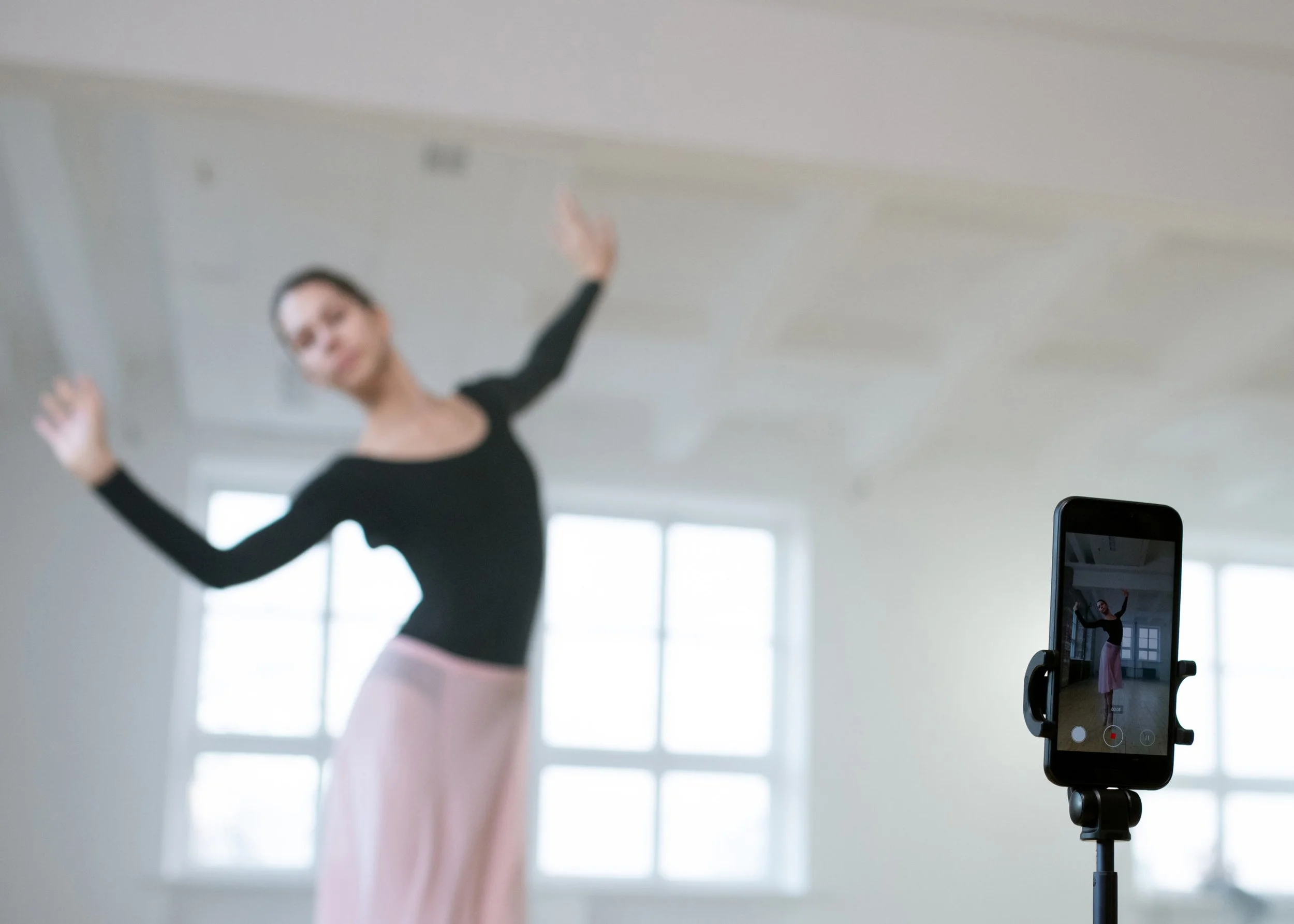
1) Lack of in-person auditions + the selftape takeover: This created a weird cross-pollination of issues. Actors weren’t around each other enough to clock whether their shots were dated (or drifting off-trend), and they weren’t walking into rooms where someone behind the table might gently (or not-so-gently) ask, “Wait… when did you take this?” Meanwhile, self tapes became the first impression—often instead of the headshot—which pushed performers to invest in a whole at home capture workflow: lights, backdrops, mics, tripods, and more. Add the extra cost dancers face when renting studio space to tape musical theatre dance calls, and the price of “just auditioning” climbs fast. The tough part is that many self tapes likely aren’t viewed in full, so the ROI can feel brutal. And because the industry knows the burden is real, I’ve watched standards around headshots quietly soften into a “do what you can” mindset—letting details slide that would never have flown 10–15 years ago. And that fails them.
2) Lack of education (aka: the headshot knowledge gap): I’ve witnessed a genuinely alarming drop in how training programs teach the function of a headshot. Over my shooting career I’ve visited 30+ colleges, universities, and conservatory programs to photograph students. Pre-pandemic, many came in with a plan: goals, strategies, and an understanding that a targeted headshot is a positioning tool—not just a nice picture. Post-pandemic, I’ve had students who didn’t know you put your name on a headshot… or that it gets printed… or why borders, orientation (vertical vs. horizontal), and crop discipline matter. When submissions live inside platforms like Actors Access, it’s easy for the headshot to devolve into “upload something and call it a day.”
On top of that, fewer programs (often due to budget constraints) are bringing in vetted, working headshot photographers—or even providing students with a shortlist of reputable options to research. I once had a department head at a prominent NYC training program tell me I needed to drop my rates dramatically because “these kids nowadays will just go to the friend with a camera.” Sure, I know that’s happening (we’ll get there), but why isn’t the institution pushing back and teaching the value proposition? The industry seems to lean satisfied and avoid conflict as long as the box is checked. “You have a headshot.” But a box-checked headshot is not the same as a marketable one. And that fails them.

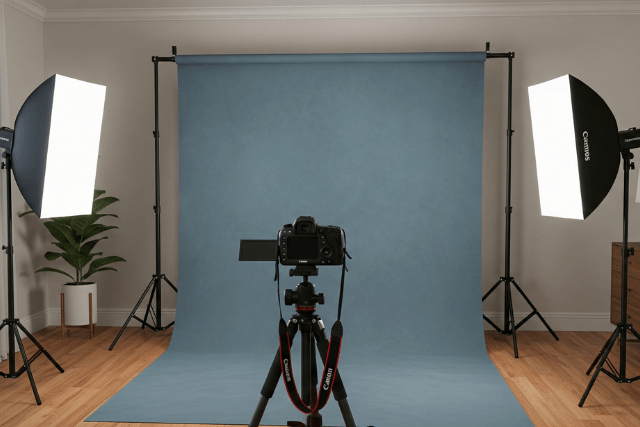
3) Inexperienced photographers + trend-chasing aesthetics + social media gravity: During the pandemic, we saw a totally predictable influx of “kids with a camera”—artists who lost theatre/film work and needed revenue, fast. The setup is accessible now: an entry level mirrorless body, a couple of colored backdrops, and a soft box kit from Amazon—and suddenly you’ve got a living-room studio (sometimes technically outside what NYC zoning allows for commercial activity). Many of these folks priced aggressively, undercutting established rates, and a single overall “look” spread quickly because it was easy to replicate. And to be clear: I’m not mad at it. That’s how a lot of us started (me included—shoutout to my old DSLR era). The industry needs emerging photographers.
The issue is the downstream effect: a narrow set of angles/lighting/framing choices became dominant, which can flatten individuality and reduce headshots to a monotonous template. More importantly, many newer shooters (and sometimes clients) prioritize “beautification” over communication—the kind of engaged eye-line and intentional body language that actually evokes something for you. Add social media into the mix and you get a drift toward wider, more editorial portraits—hands, furniture, dramatic negative space—great for websites and feeds, but not always optimal for submission thumbnails, print, or famed Playbills once the image is cropped to the face. If the session investment is real (and it is), the ROI should be engineered around the actor’s message—not the elements creating “the shot.” And that fails them.
To wrap this up: I root hard for every one of my clients, and I genuinely root for my fellow headshot photographers and educators too. But if we want actors to thrive, we have to stop treating the headshot like a “good enough” or “cool photo” accessory. Background, wardrobe, and lighting style are important—but they’re secondary. The primary deliverable is a strategically positioned image that’s distraction free, casting legible, and unmistakably engaging—confident, grounded, cinematic, and like you’ve got something to say. Because you do.
ABOUT MATT
Like many, my love of photography began years ago as a creative outlet while performing. In-between shows, gigs, auditions and classes, I would experiment with different lenses, lighting and subjects. It wasn’t long before I discovered the power of a photo that truly captures people at their best while helping them in their own careers. My passion became a driving force and turned quickly into a successful business.
As a NYC based headshot photographer, I have the great joy of getting to meet and collaborate with so many talented artists, and it’s one of my favorite aspects of my job. Coming from a professional performing background, I know how important marketing yourself wisely is, and how much of a difference it can make in your success. A good headshot not only makes you look great, but it captures who you really are and is ENGAGING! This is the moment that I strive to get out of my clients on every shoot. My #1 goal is to discover the aspect of each person that makes Casting, Directors & Producers scream, “I want to get to know them!”
Beyond photography, I’m an award-winning Director of Photography, as well as an original co-founder of www.ontherocksfilms.com, where I currently serving as the Creative Director and resident Director of Photography. Recently, I was honored with three Best Cinematography Awards for my work the feature length documentary, UPROOTED: The Journey of Jazz Dance (HBO Max), FREE (AMAZON PRIME) & the On The Rocks Films original short, DIVIDENDS.
I still remain active in the professional theatrical community as member of AEA and currently direct and choreograph for productions around the country. I look forward to meeting you and guiding you towards a personally unique and captivating image...while having a lot of fun in the process!
G&E In Motion does not necessarily agree with the opinions of our guest bloggers. That would be boring and counterproductive. We have simply found the author’s thoughts to be interesting, intelligent, unique, insightful, and/or important. We may not agree on the words but we surely agree on their right to express them and proudly present this platform as a means to do so.