Psychology

I’ll Come Back as a Wave

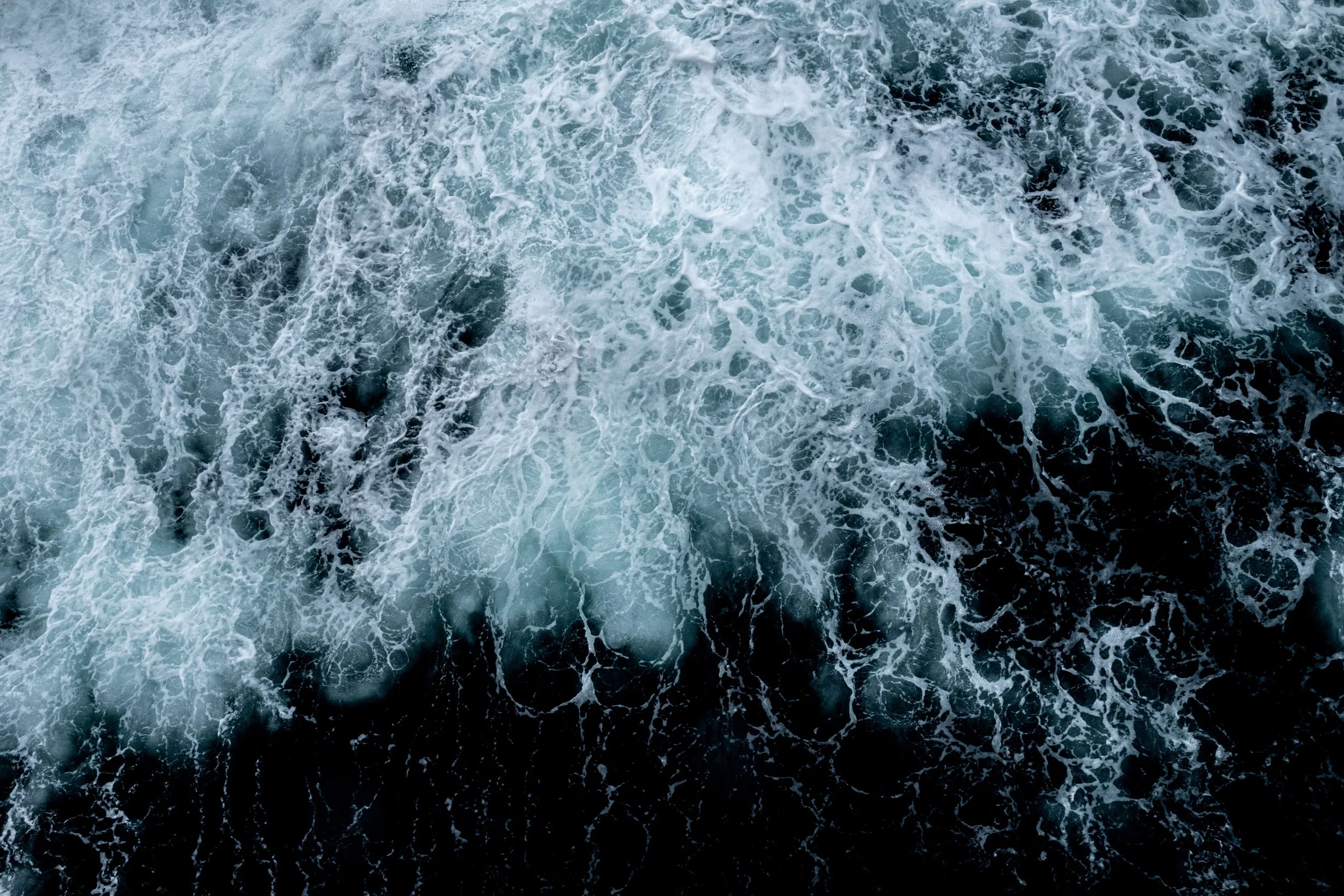
The thing I crave most is a moment of stillness. The soft rush of nothing, the freedom of fusing into that which is unstoppable, powerful, beyond recognition of what the human mind can truly comprehend.

I wonder if this cadence of the wave is not the same as the artist’s?

The wave is only there for a moment, proud on its own, before being subsumed back into the dark, cool depths of infinity.

To break without consequence.

To once again repeat a cycle of ancient rhythms, older than ancestral bones. The ebb, the flow, the coming and going—falling apart only to become whole once again—indistinguishable, unrecognizable.

What the wave is in one moment, is not what it becomes in the next. The rocking, the soothing lull; sinking out of sight, sound and into the freedom of the mind—the abyss with no bottom. That which can never truly be reached—never really known. All we can do is guess what might lie below by following the hints and clues provided for us by dreams. Glimpsed only in an instance.
What does is truly mean to be a wave?

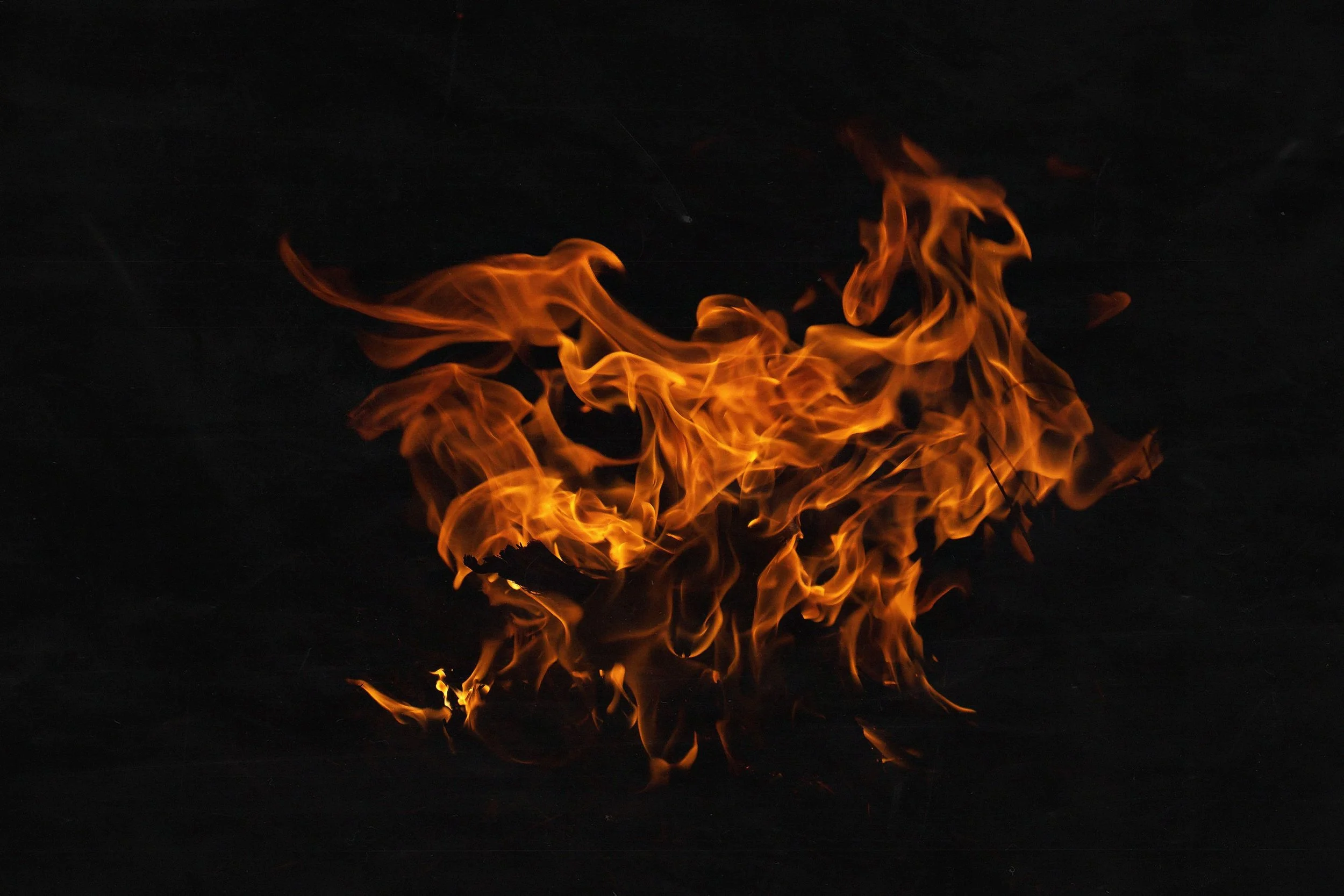
To be free? To be a part of something greater than the self? Is it a return to who you were before the world made you forget who that was? Is this not akin to the life of an artist? The continual search for meaning. The ability to die, revive and die once more—the phoenix can only rise after it has been burnt to ashes. Fire is it’s own sort of surge.

The artist is always seeking, fueled by a deep instinctual pull into movement, a driving force into another creation; made up of all. And yet distinctly individual in each performance, each line of prose, each stroke of the brush. If only waves could be molded in the hands as clay, composed of our greatest strengths and our deepest downfalls.

There is a precipice to be reached, but the high will not last forever—inevitably the wave will once again fall, crash, lose form…plunging low before beginning the familiar churning to momentum. What does the artist generate next? Does the yearning for more never cease? The unseen, yet felt force which compels the wave to repeatedly reach for the sky, the air—for just one gasp—for height, for freedom. It is the same freedom a person might feel as they wade into the water, letting the soft crests wash over them, beckoning them to return…perhaps unburdened by the stones that normally line their pockets—the ones that have spent years weighing them down, draining their life force. The voice in their head whispers, “You’ll never be enough.”

And one must ask, “Enough for who?”

So maybe becoming isn’t about sacrifice at all, but surrender. The wave is but a moment—it is akin to a feeling, an impulse, an idea—for how long the aftermath or the residual waters will continue to spread out and over? One never knows.

Gold-tipped in the moonlight—transparent in the sun—filled with the crashing rage of chaotic storms and the quiet hum of steady tides. The artist, much like the warrior— like any true force of nature, must always be ready and willing to adapt. Regardless of conditions, the wave carries on—it does not delay. Yet patience is required to learn the timing, the importance in falling back, resting and restoring that which has been depleted. This is a necessary part of the process, as before long, one will again feel the inescapable pull towards the endless journey. A meeting of both the perilous and profound. And most importantly, the final and most sacred of acts:

Letting. Go.

The wave is power with no control. Force with no end. Fluidity even in stasis. The wave can reflect as much as it can obscure. The endless seas remind us that even one drop of water is a very powerful thing. Art is never just about the self, but the whole. And so when one moves as a wave, they inevitably move with the entirety of the ocean. And for me that is the truest form of embodying art.

Keep Flowing,

E

The Horror of Creation

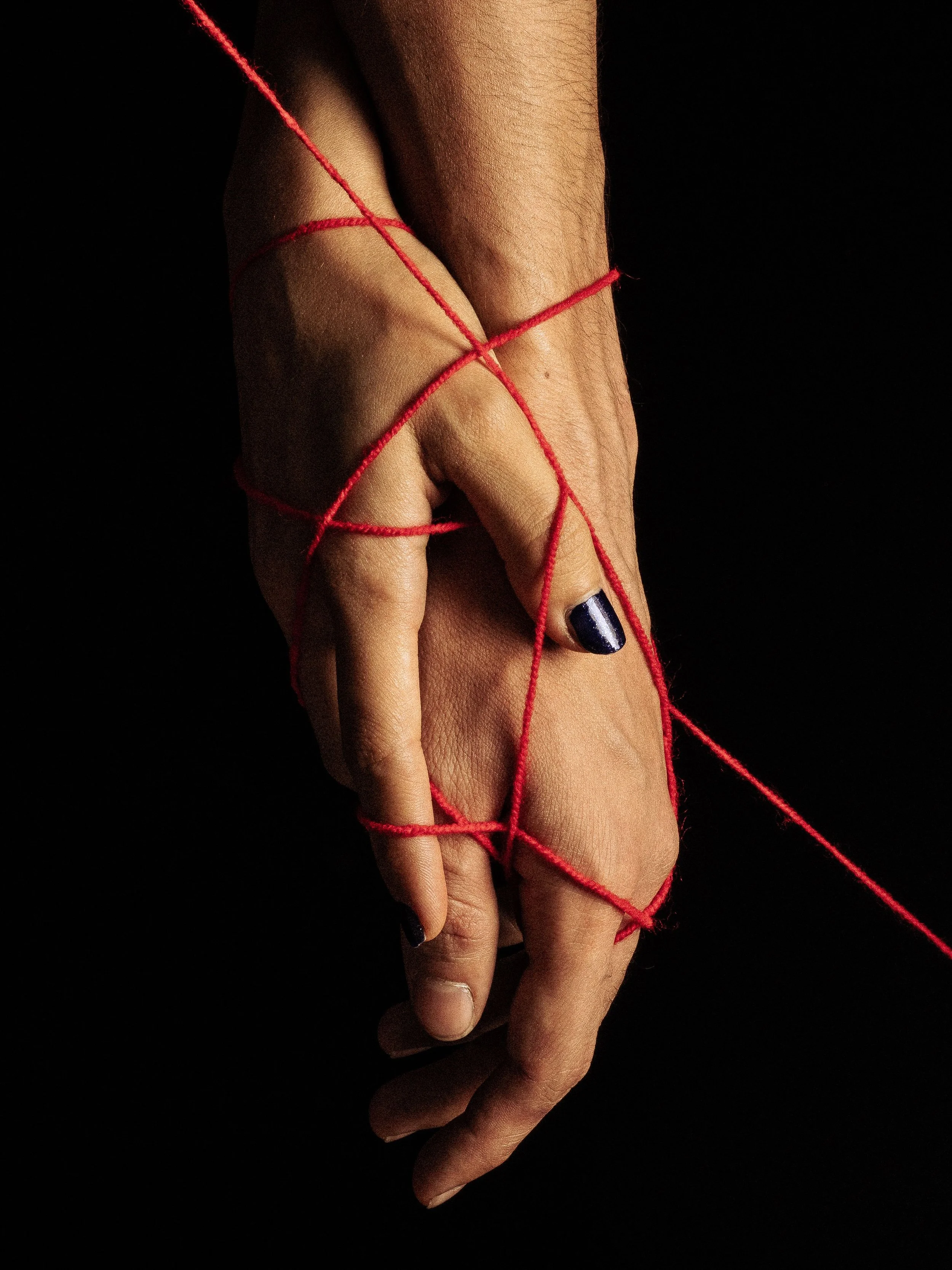
The mind unravels very much the same way that a good story does: it all begins with the pull of a single thread…

A thread, that depending on our condition, either will, or won’t, be sown back together. Turning chaos into cohesion…a deeper and much darker understanding of the true self. This is the struggle of the artist and the psychoanalyst. This is the struggle of creation.

What horror…

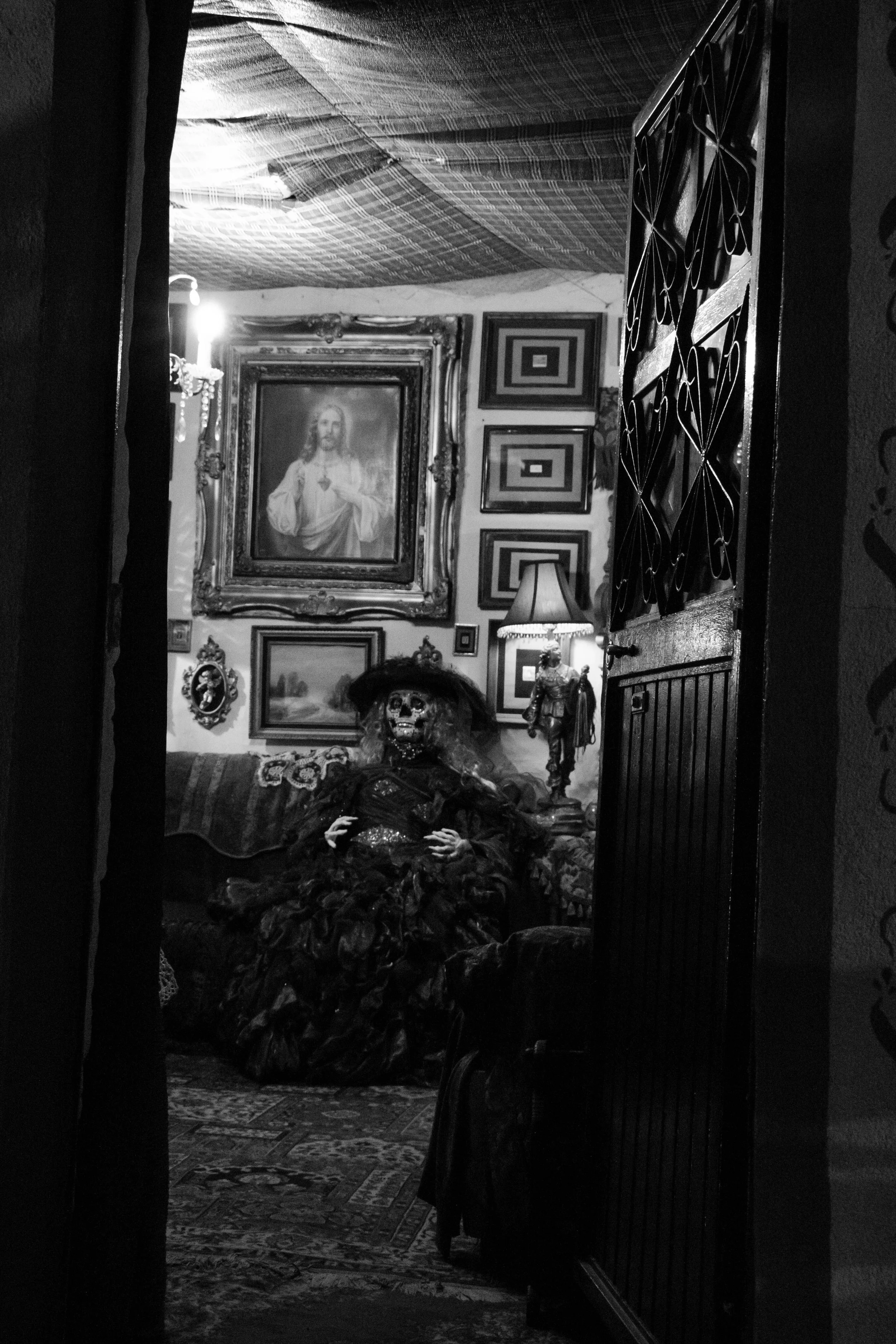
I’ve been thinking deeply about Frankenstein these days….not just because the spooky season is upon us, but more so in regards to my dark and archaic musings on how I have come to be my own Frankenstein Monster; a true compilation, made up of small parts and pieces, sometimes coming together in wholeness, at other moments, falling apart into fragmentations. Yet, the threads remain, as well as my ability to sew myself back together, as I have done time and time again, as both a person, an artist and now a psychoanalyst. I am a creature made up of so many parts, of so many experiences…that in the process of growing and healing scars, I was forced to reevaluate what belonged to me and what did not…slowly but surely I began to learn who I was as a “human” and who I was as a “monster.” How did I come to be this creation?

We can argue that our creation is the first and most primal experience of “true horror.”

Leaving the dark, warm safety of the womb to be thrust into the chaotic reality of blood, pain, noise and sensory overload…This is the same experience I imagine the Monster felt as those bolts of electricity shocked him out of the peace of stasis and into the harsh cruel confines of humanity and civilization…with all its discontents. As an artist and training psychoanalyst, I know these early life experiences and affects are essential in our growth, understanding and further development, but they can also be responsible for our psychic disintegration. I think of the rejection of love and care that the Monster experiences; his fragmented body mirrors his psychic state; the continual abandonment and neglect ultimately turns him into the horror society has seen him as, and as a result, he becomes a reflection of their own murderous projections. How are humans any different? Have we not all experienced those same early infantile feelings of helplessness? Have we not experienced the sting of rejection? Disgust? Alienation? Does it not shape much of the horror we see in our world today?

Creation can generally be seen as a miracle or purposeful experience, but what if the creator is in fact, looking to “create” their own destruction? Artists often find themselves consumed by their craft, their ability to express and sublimate the darkness into something progressive and lasting…but what if that darkness cannot be contained? How aware are we of the parts of ourselves that we lose and often destroy in the hopes of creating something meaningful? How much of ourselves are we willing to sacrifice? For what? For humanity? Or for the ego?

The horror of creation follows us endlessly.

The fear that our work will never survive the building process, or perhaps the terror that once the creation is introduced to the world, it will be hated and attacked. And that which is often considered the most horrific of artistic fears: that of our work being meaningless…forgotten. I believe we are responsible for the horrors that influence our art/craft, and as a result, the lives of those who consume our creations. If we are creating without purpose, without intent, what or whom are we really creating for? What are we actually saying? And how much of this can have a direct impact on lives outside of our own?

Psychoanalysis, a highly artistic and individualistic craft steeped in investigating the secrets of the human mind, follows this same structuring: if we have not dealt with our own darkness, if we cannot understand our patterns…if we do not see where the threads have been resown or cut open…then how will we be able to contain the darkness and pain of our patients? The regression that occurs during the psychoanalytic frame can mirror the early dyad between parental figure and child…the same bond that Frankenstein and his monster share (this two- hander can even be seen in certain artist/audience interactions). But it is in this “frame” that the analyst and patient can create a new lived experience, good or bad or something in between, remains to be seen. In order to do this kind of work, it is essential that the analyst accept all the horror their patient has experienced. Only by working through this horror can we create new experiences beyond…

in simpler terms:

“the only way out is through.”

There will always be fear and uncertainty in life due to the unpredictable elements of environment, trauma and circumstance constantly shaping, cutting, molding, sewing and integrating us into the unique individuals that we are and are (hopefully) evolving into— this means constant revision, working through difficult feelings and exploring deeper levels of self-awareness. This path requires grit, fortitude and adaptability, as no one has ever created anything meaningful without a little strife, sweat, patience and tears. The journey of the creator is not for the fainthearted…as Victor Frankenstein learned the hard way. It is for those who are prepared to face the monster inside, for only then can we see how horror and destruction has continually added to our own creation as well as the creations we have yet to inevitably bring into existence; to breathe life into oneself is to breathe life into the greater good of civilization.

Only when you can understand your own creation, will you be able to find meaning in the act of creation outside of the self.

We are shaped and terrorized by things outside of our control, yet contained in a sense of self and purpose to continually produce, grow and change. There will always be horror, but that should never stop one from pushing on, in bravery or fear, it matters not, only that you continue with purpose.

Take heed, dear reader, as you are no longer the same monster you were before reading this post only a few minutes ago.

What will you create next? Yourself?

Keep Creating,

E